 Business License
NXF UNS N10276 2.4819/NiMo16Cr15W/C276 ASME B16.11 Nickel Alloy Forging Socket Welding Tee
C276 Introduction
Super alloys or high performance alloys are available in a variety of shapes and contain elements in different combinations to obtain a specific result. These alloys are of three types that include iron-based, cobalt-based and
nickel-based alloys. The nickel-based and cobalt-based super alloys are available as cast or wrought based alloys according to composition and application.
Super alloys have good oxidation and creep resistance and can be strengthened by precipitation hardening, solid-solution hardening and work hardening methods. They can also function under high mechanical stress and high temperatures and also in places that require high surface stability.
HASTELLOY(r) C276 is a wrought corrosion-resistant alloy that resists the development of grain boundary precipitates that degrade corrosion resistance.
The following datasheet provides an overview of HASTELLOY(r) C276.
Forging Socket Welding Tee Introduction
Socket-weld tee is a high-pressure pipe fitting manufactured through a process involving the molding and forging of blanks—typically formed from round steel bars or steel ingots—followed by precision machining on a lathe. It is primarily utilized in high-pressure, precision-critical sectors such as petrochemicals, electric power generation, aerospace, and the defense industry. Its production process involves hot pressing, radial compression, and branch pipe stretching—a method distinct from the metal compensation techniques employed in hydraulic bulging processes. Structurally, these fittings are categorized into two types: equal tees (equal diameter) and reducing tees (variable diameter). The specifications range from DN6 to DN100, with DN15 to DN50 being the most commonly used sizes. Available materials include carbon steel (Q235, 20#), stainless steel (304, 316L), and alloy steel (15CrMo, 16Mn); pressure ratings encompass 3000LB, 6000LB, SCH80, and others. The products comply with various standards, including the Chinese National Standard GB/T14383, the American Standard ASME B16.11, the Petrochemical Industry Standard SH3410, and the Ministry of Chemical Industry Standard HG/T21634; the specific pipe connection dimensions must be selected based on whether Series A or Series B is specified by the applicable standard. Connection methods include socket welding, threading, flanging, and butt welding, making these fittings suitable for high-pressure piping systems used to transport flammable, toxic, or high-value media. The pipe connection dimensions for socket-weld fittings are classified into two categories: Series A (or Series I) dimensions and Series B (or Series II) dimensions—alternatively referred to as Imperial-size connections (Series A) and Metric-size connections (Series B). Furthermore, certain standards—such as ASME B16.11 and SH3410—explicitly mandate the use of Series A dimensions. Other standards—including GB/T14383-2008, GB/T14383-93, and HG21634—accommodate both dimension series; consequently, during the manufacturing process, it is essential to verify and confirm the specific pipe connection dimensions required. In instances where the end-user fails to specify which dimension series to adopt, Series A is generally assumed as the default choice. However, a specific exception applies to the HG21634 standard: if the standard indicates that the connection corresponds to "Series A," then the Series B pipe connection dimensions must be selected.
C276 Forging Socket Welding Tee Drawing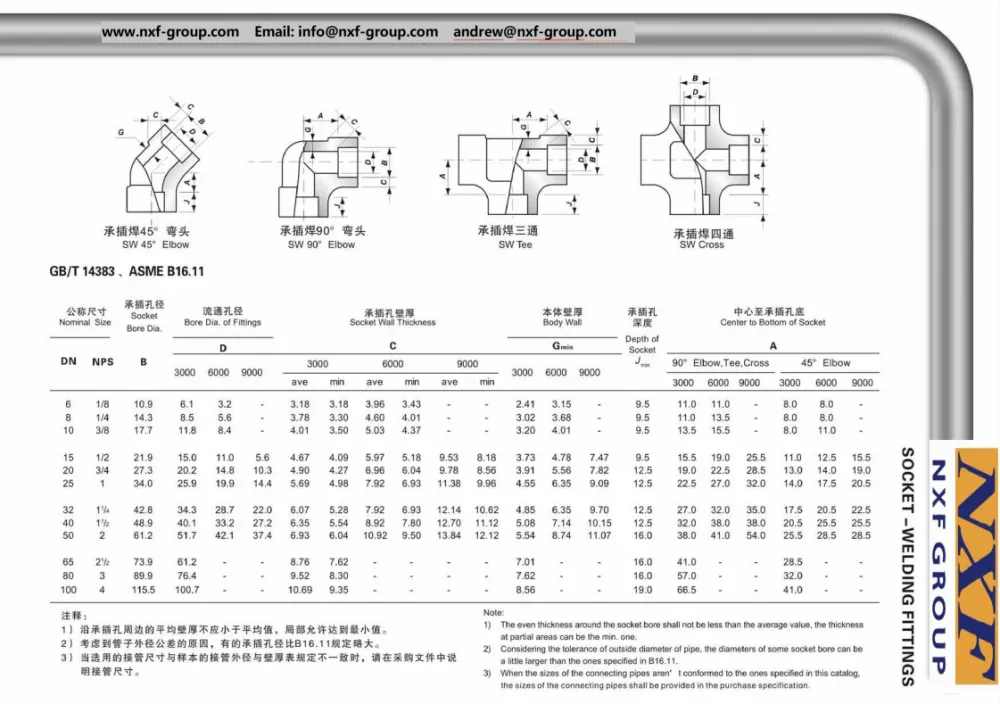
C276 Chemical composition and mechanical properties


Forging Socket Welding Tee Factory and Product Pictures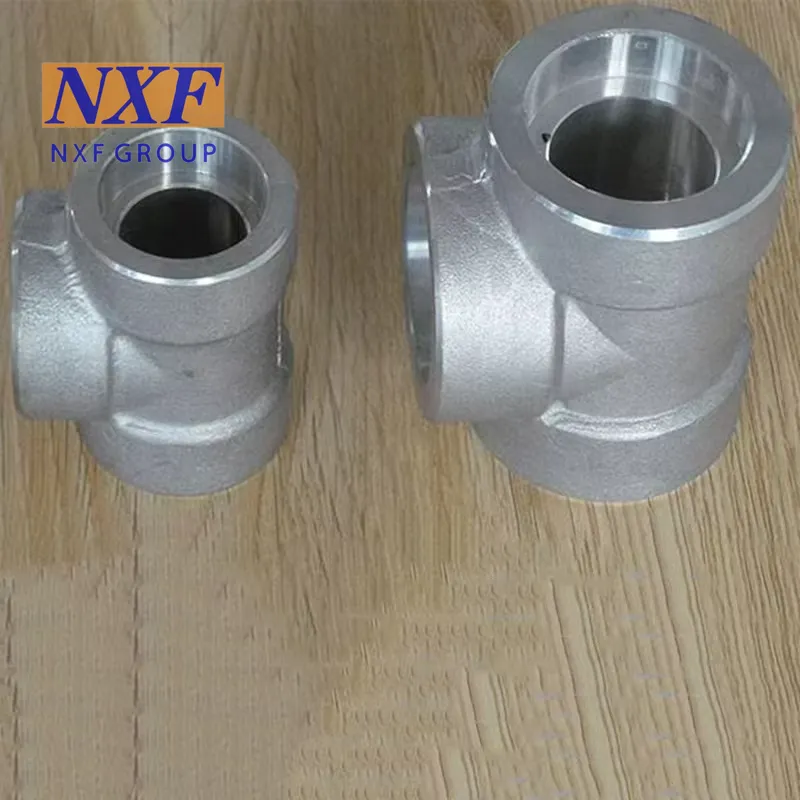
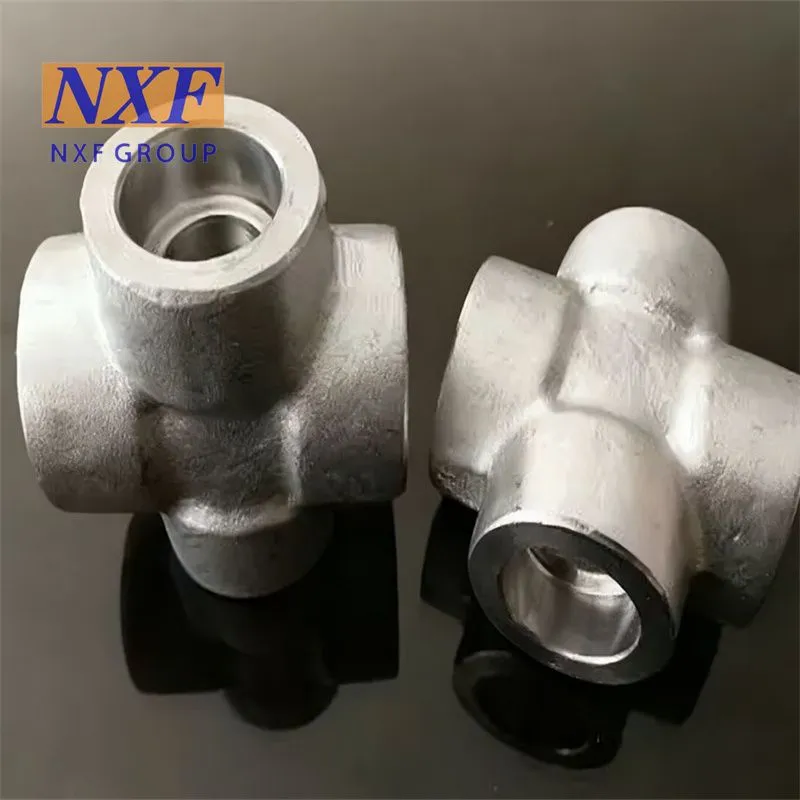
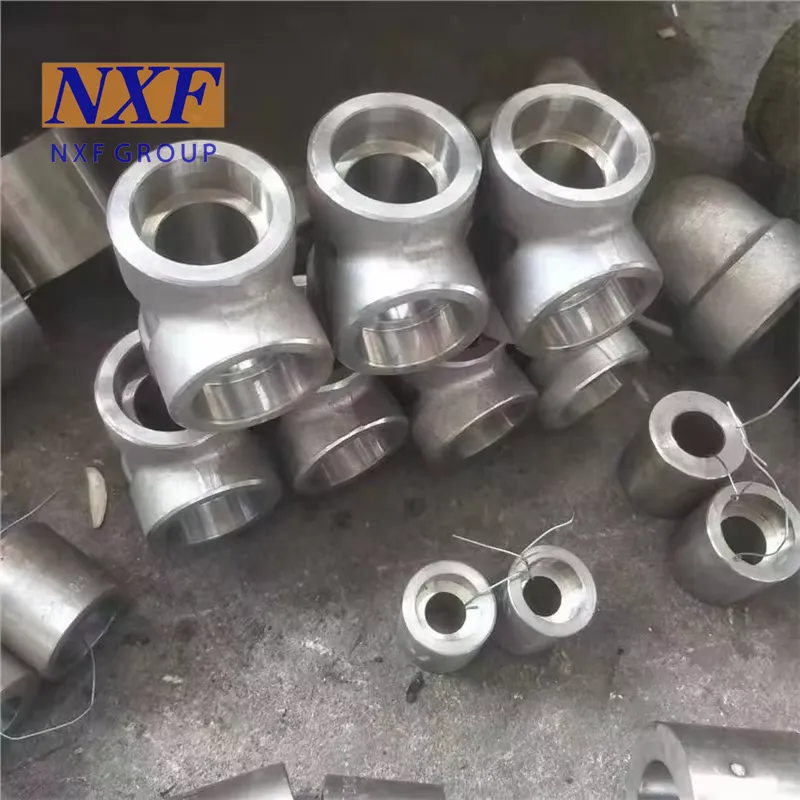
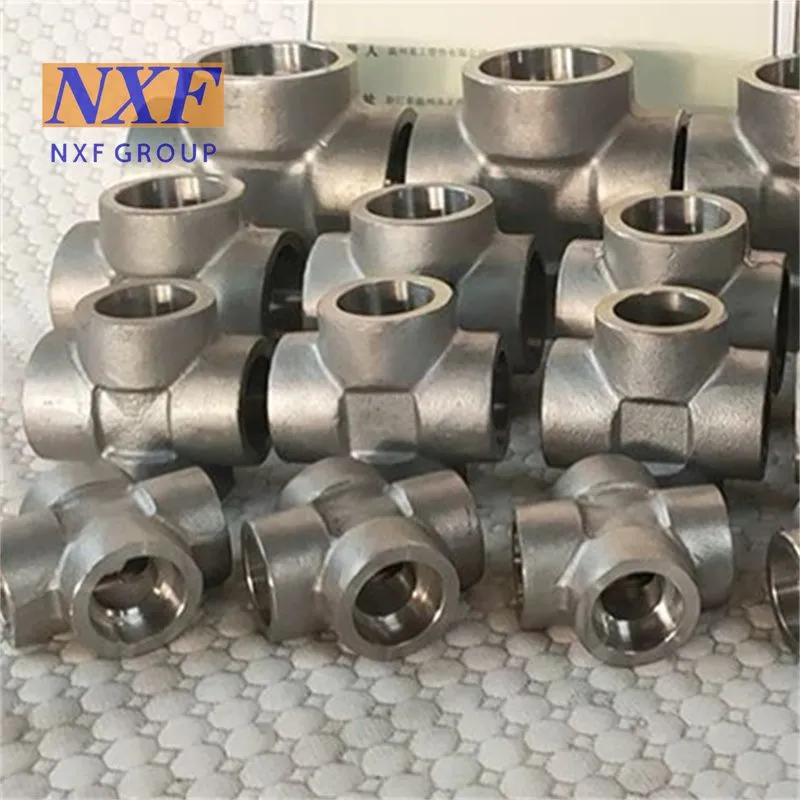
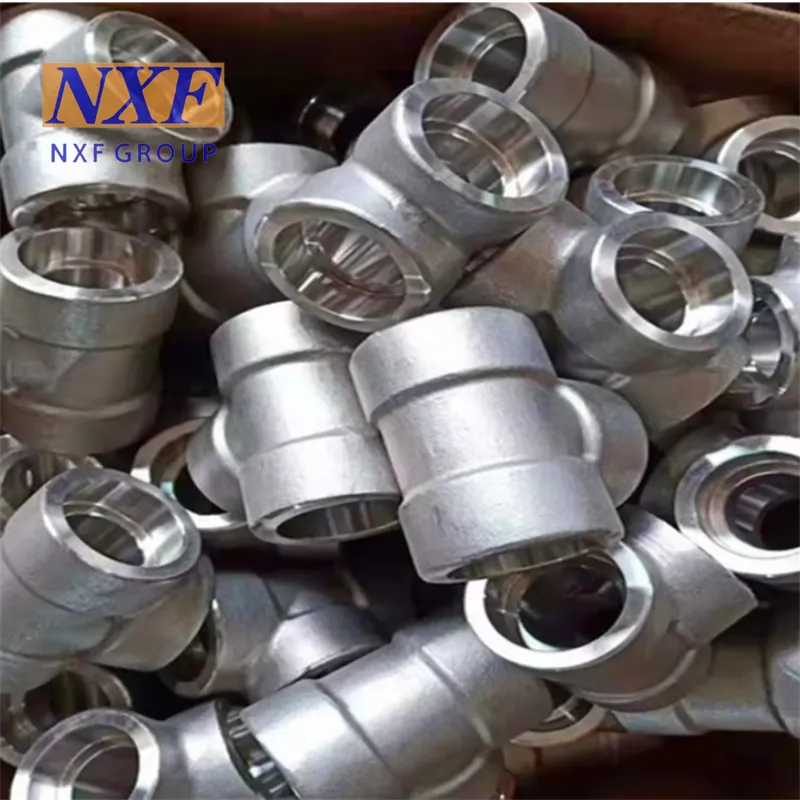
C276 PMI spectral testing proves

Our Factory


Forging Socket Welding Tee Processing
The production process for forged socket-weld tees primarily involves the following stages: Die Forging of Blanks → Heat Treatment (if required) → Machining (Turning, Drilling, Milling) → Quality Inspection → Surface Treatment.Raw Material Selection: Round bars or steel ingots (e.g., A105, 20#, 304, 316L, etc.) are selected and cut to the specified dimensions. These blanks are then heated in a furnace to the appropriate forging temperature (typically 1100–1250°C).
Die Forging: Using a hydraulic die forging press or a forging hammer, the heated blank is pressed into a die containing a tee-shaped cavity to form the forged blank (which may retain a small amount of flash). For high-pressure, small-batch, or reducing-type fittings, a combination of open-die forging and semi-closed die forging may also be employed.Normalizing / Quenching + Tempering: Heat treatment is performed in accordance with material specifications (e.g., carbon steel is often normalized to refine grain structure, while alloy steel requires quenching and tempering) to enhance mechanical properties and improve resistance to hydrogen embrittlement.Machining: CNC lathes, drill presses, and milling machines are utilized to remove flash, face the ends, machine the socket bevels (in compliance with ASME B16.11 or GB/T 14383 standards), and finish the internal bores and branch diameters, thereby ensuring dimensional accuracy and surface finish.Non-Destructive Testing (NDT) & Pressure Testing: Magnetic Particle Testing (MT) or Penetrant Testing (PT) is conducted to inspect for surface cracks, while Ultrasonic Testing (UT) is performed on a sampling basis to detect internal defects. Additionally, a portion of the fittings—specifically those designated for 3000LB or 6000LB pressure ratings—undergo hydrostatic or pneumatic pressure testing.Surface Treatment & Marking: The fittings undergo surface treatment—such as sandblasting or pickling and passivation (for stainless steel)—followed by the application of anti-rust oil. Standardized markings are then stamped onto the fittings, indicating the material grade, applicable standard number, heat/batch number, and pressure rating.Final Inspection & Packaging: A final verification is conducted to re-check dimensions and confirm material composition via spectral analysis, along with a sampling inspection for leak-tightness. Once approved, the fittings are packaged in moisture-proof materials and prepared for shipment. This process differs from that of a "welded tee" (which involves hydraulically bulging or hot-pressing a pipe blank followed by welding on the branch pipe); the forged socket-weld tee is integrally forged as a single piece, featuring no seams. It is suitable for service conditions involving high pressure (≥ 3000 LB), high temperatures, or hazardous media, and complies with standards such as ASME B16.11 and GB/T 14383-2008.
Our NXF GROUP advantage as follow
1.Our NXF GROUP have our own factory, and we can control the cost by producing by ourselves. We have a great advantage in price and can give you the lowest price based on best quality.
2.Our NXF GROUP can strictly control the quality. We have production, quality inspection, warehousing and other departments to coordinate and control the quality,Such as PMI and size testing.
3.Our NXF GROUP biggest advantage is 3S service. Small quantity, short time, special materials.
4.Our NXF GROUP have excellent quality certificate system and trademark certificate
5.Our NXF GROUP have a comprehensive after-sales service guarantee, such as the transaction guarantee provided by Alibaba International Station, as well as remote technical guidance and services.
6.Our NXF GROUP have a well-established logistics support system that can save you both time and money, providing you with a one-stop service.
Trade Show Participation

Packing & Delivery


FAQ
1. who are we?
We are based in Jiangsu, China, start from 2021,sell to South Asia(30.00%),Eastern Asia(10.00%),Mid East(10.00%),Eastern Europe(10.00%),South America(10.00%),Domestic Market(5.00%),North America(5.00%),Northern Europe(5.00%),Central America(5.00%),Africa(5.00%),Southeast Asia(5.00%). There are total about 101-200 people in our office.
2. how can we guarantee quality? Always a pre-production sample before mass production; Always final Inspection before shipment;
3.what can you buy from us? Pipe,Flange,Steel plate,Pipe fittings,Alloy products
4. why should you buy from us not from other suppliers? Our advantage:3S Service (Small Quantity/Short Time/Special Material) We have our own factories, quality can be controlled seriously. We Specialize in manufacturing about 21 years. We have professional testing department and testing equipment.
5. what services can we provide? Accepted Delivery Terms: FOB,CFR,CIF,EXW,FCA; Accepted Payment Currency:USD,EUR,CAD,HKD,CNY; Accepted Payment Type: T/T,L/C,D/P D/A; Language Spoken:English,Chinese
6. Are you trading company or manufacturer ? We are manufacturer.
7. How long is your delivery time? Generally it is 5-10 days if the goods are in stock. or it is 15-20 days if the goods are not in stock, it is according to quantity.
8. Do you provide samples ? is it free or extra ? Yes, we could offer the sample for free charge but need pay the cost of freight.
9. What is your terms of payment ? Payment<=1000USD, 100% in advance. Payment>=1000USD, 50% T/T in advance ,balance before shippment.
Recently Posted
-
NXF UNS N10276 2.4819/NiMo16Cr15W/C276 Nickel Alloy Forging Technology Threaded Coupling
June 30, 2026Product DescriptionC276 IntroductionSuper alloys or high performance alloys are available in a variety of shapes and contain eleme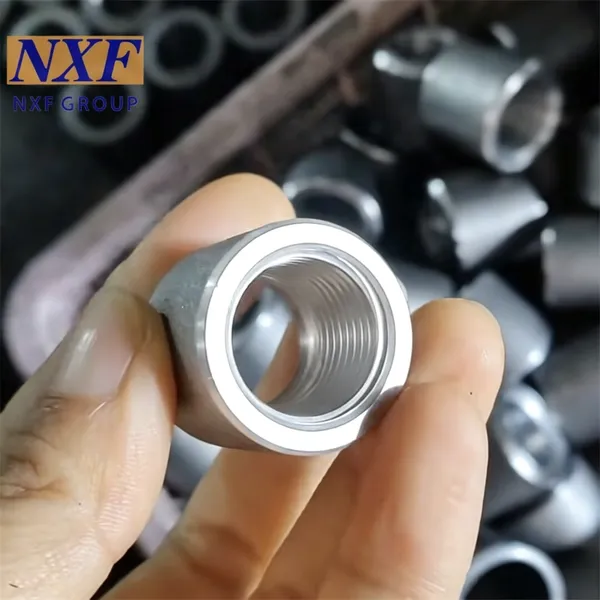 Read More
 -
NXF UNS N10276 2.4819/NiMo16Cr15W/C276 OD DN15-1200 Class 3000-9000 Nickel Alloy Forging Technology
June 30, 2026Products DescriptionC276 IntroductionSuper alloys or high performance alloys are available in a variety of shapes and contain elem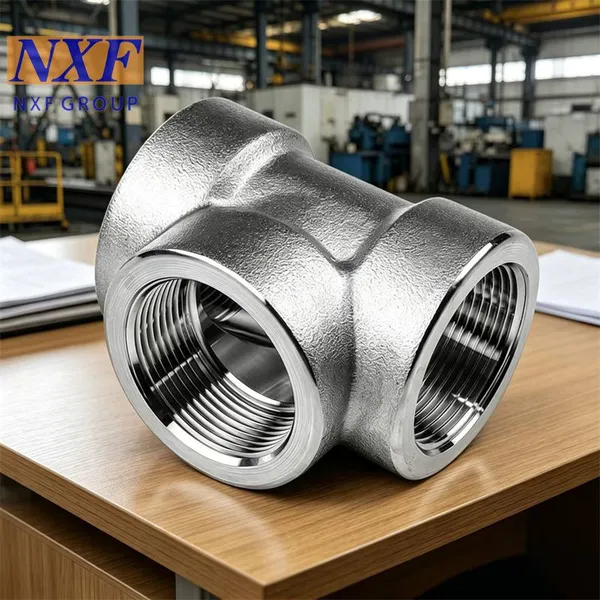 Read More
 -
NXF UNS N10276 2.4819/NiMo16Cr15W/C276 Nickel Alloy Forging Technology Threaded 90/45 Degree Elbow
June 30, 2026Product DescriptionC276 IntroductionSuper alloys or high performance alloys are available in a variety of shapes and contain eleme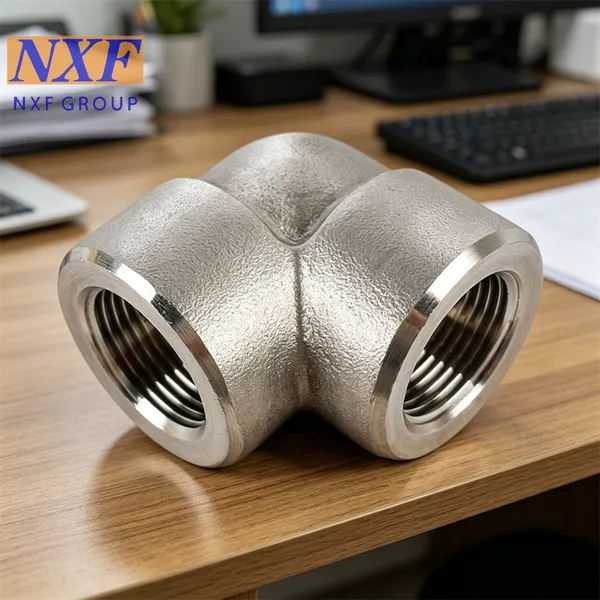 Read More
 -
NXF UNS N10276 2.4819/NiMo16Cr15W/C276 Nickel Alloy Forging Technology Socket Welding Union
June 29, 2026Product DescriptionC276 IntroductionSuper alloys or high performance alloys are available in a variety of shapes and contain eleme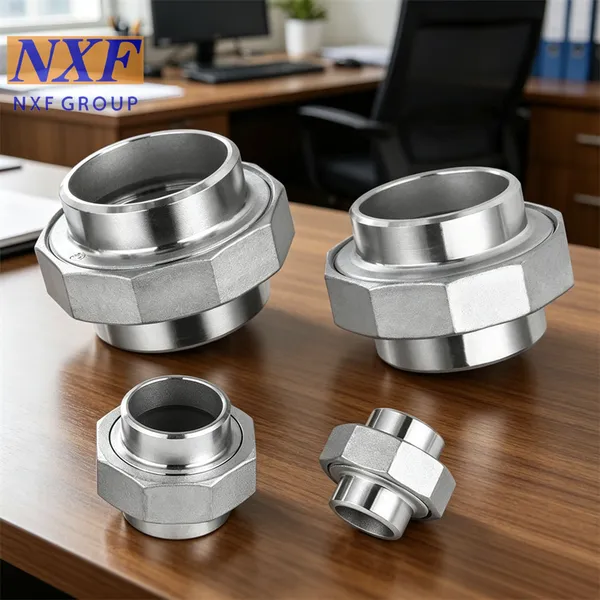 Read More

Contact Us
Recommended Products
-
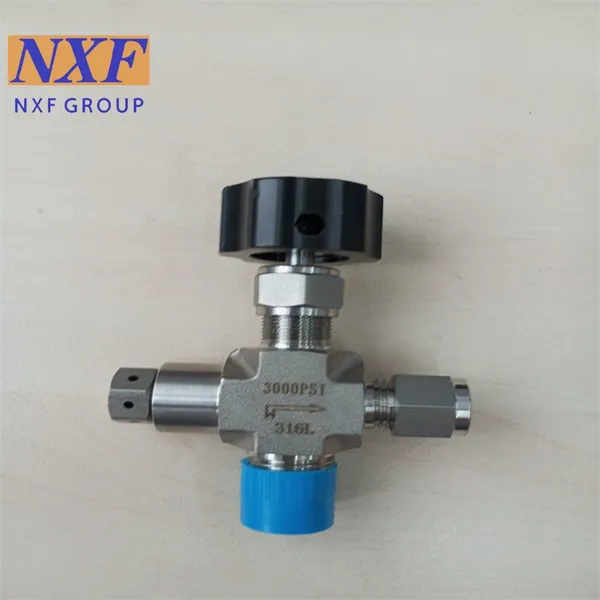
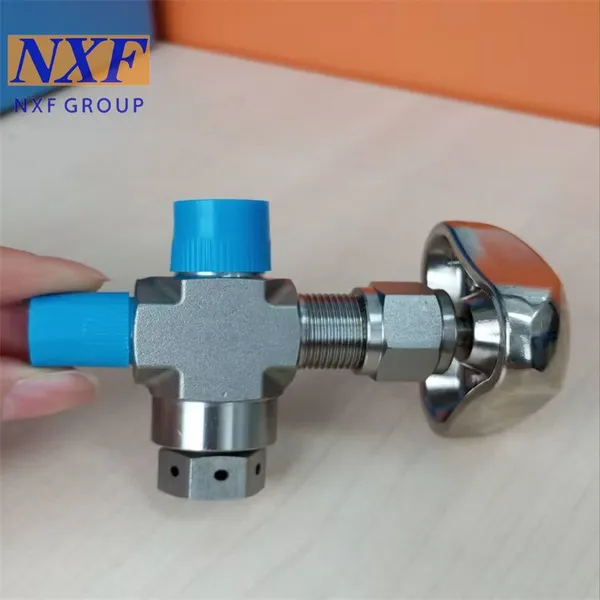
 NXF UNS S31603 Stainless Steel 316L OD 1/2-10'' Pressure 3000-9000PSI High-Temperature Liquid and Gas Control Angle ValveUS$ 4 - 5MOQ: 10 Pieces
 -
NXF UNS S31603 Stainless Steel 316L 1/2-10'' 3000-9000PSI Hydraulic Instrumentation Valve All Metal Gas Cylinder Angle ValveUS$ 5 - 6MOQ: 10 Pieces
-
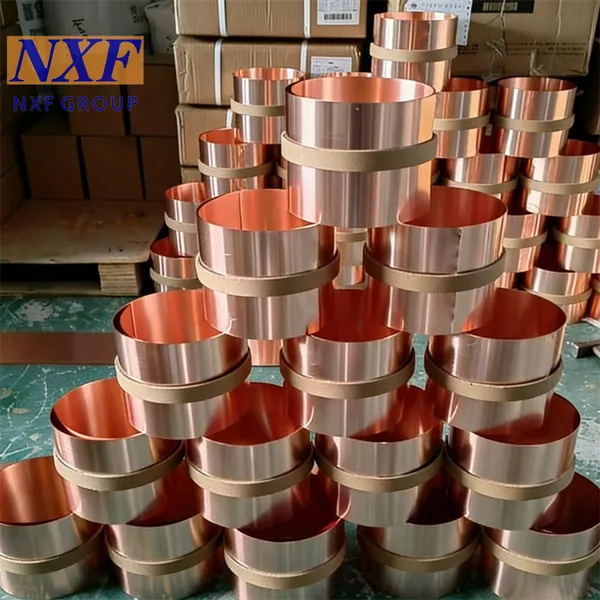
NXF UNS C11000 C1100/GB T2/ASTM C11000/BS C101/C102 Thickness 0.1-10mm Width 5-500mm Copper Coils StripsUS$ 5 - 6MOQ: 1 Piece
-
NXF UNS S31603 Stainless Steel 316L 1/2-10'' 3000-9000PSI Compression Straight Double Ferrule Tube Hydraulic Needle ValveUS$ 5 - 6MOQ: 2 Pieces
-
NXF UNS S31603 Stainless Steel 316L 1/2-10'' 3000-9000PSI Hydraulic Instrumentation Valve for Gas Media Manual Needle ValveUS$ 5 - 6MOQ: 2 Pieces
-
NXF UNS S304/ 1.4301/SUS304/Z7CN18-09 Diameter 10-2000mm Thickness 0.8-5mm Stainless Steel Hollow BallUS$ 6 - 7.5MOQ: 1 Piece
-
NXF UNS N10276 2.4819/NiMo16Cr15W/C276 OD DN15-1200 Class 3000-9000 Nickel Alloy Forging Technology Threaded LatroletUS$ 4 - 5MOQ: 10 Pieces
-
NXF C1100/GB T2/ASTM C11000/ISO Cu-ERHC/DIM OF-Cu58/BS C101/C102 Diameter 1-200mm Length 1-12m Copper Round BarUS$ 5 - 6MOQ: 10 Pieces
-
NXF C2800/GB H62/ASTM C27400/ISO CuZn40/BS CZ109 Diameter 0.1-5mm Coil Weight 1-100kgs Hard or Soft Temper Brass WireUS$ 5 - 6MOQ: 10 Pieces
-
NXF UNS N06625 Alloy 625/2.4856/N06625 OD DN15-1200 Thickness SCH10-XXS Nickel Alloy Butt Welding Straight or Reducer TeeUS$ 6.5 - 8MOQ: 10 Pieces
-
NXF C2800/GB H62/ASTM C27400/ISO CuZn40/BS CZ109 Thickness1-100mm Width 1-2.5m Length 1-12m Brass PlateUS$ 7 - 8MOQ: 10 Pieces
-
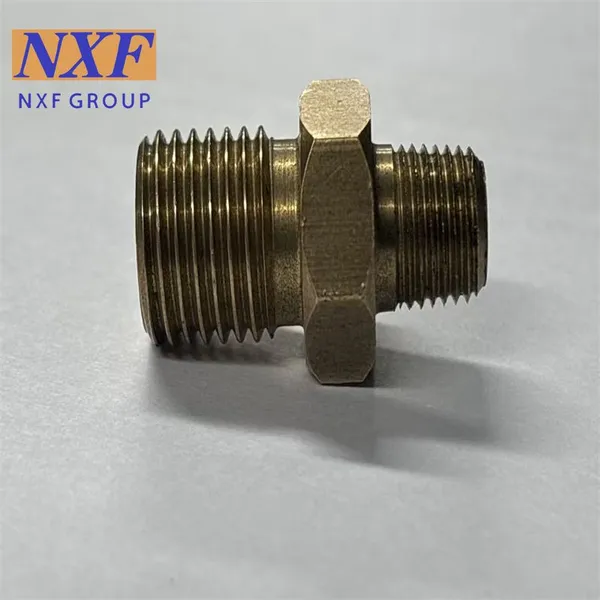
NXF C2800/GB H62/ASTM C27400/ISO CuZn40/BS CZ109 OD DN15-1200 Brass Forging Threaded Straight or Reducing NippleUS$ 3 - 4MOQ: 10 Pieces
-
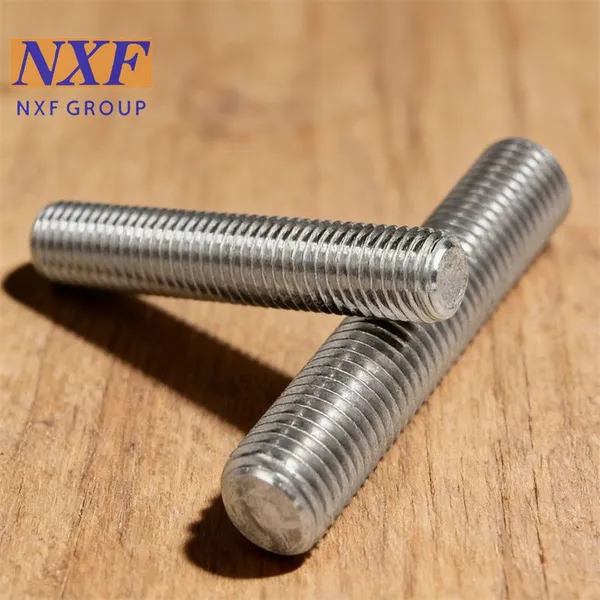
NXF UNS N10276 2.4819/NiMo16Cr15W/C276 Class 4.8-12.9 Diameter M3-M90 Length 16-3660mm Fastener Fully Threaded Threaded RodsUS$ 5 - 6MOQ: 10 Pieces
-
NXF UNS N10276 2.4819/NiMo16Cr15W/C276 OD DN15-1200 Class 3000-9000 Nickel Alloy Forging Technology Butt Welding LatroletUS$ 5 - 6MOQ: 10 Pieces
-
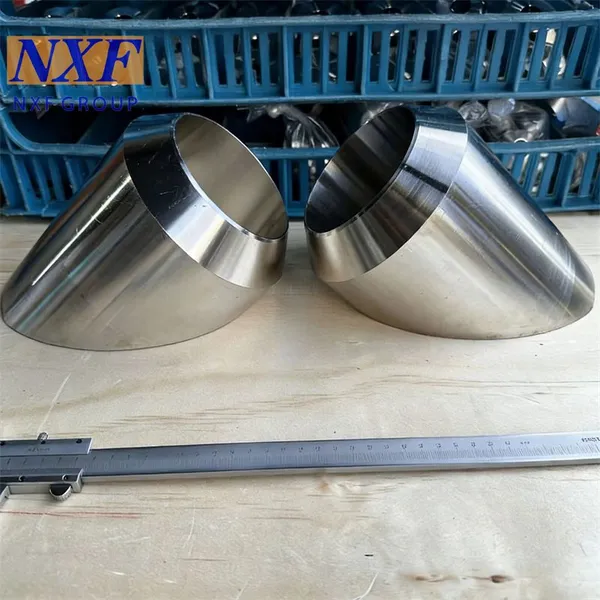
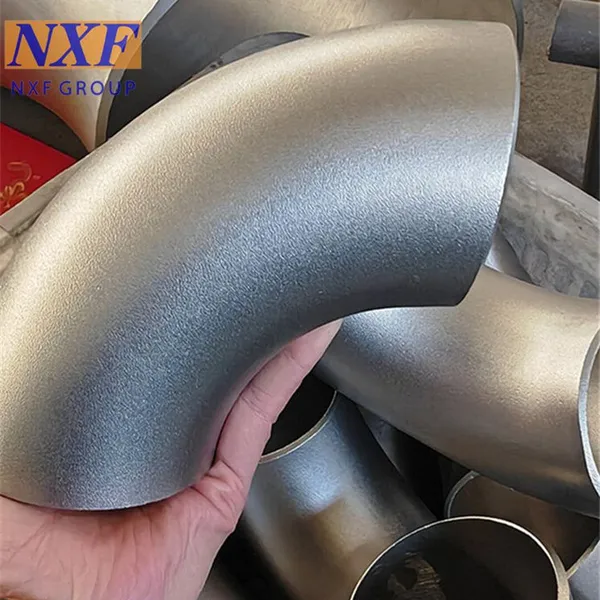
NXF UNS N06625 /2.4856/N06625 OD DN15-1200 Thickness SCH10-XXS Nickel Alloy 90/45 Deg LR/SR Butt Welding ElbowUS$ 6.5 - 8MOQ: 10 Pieces
-
NXF UNS N10276 2.4819/NiMo16Cr15W/C276 OD DN15-1200 Thickness SCH10-XXS Nickel Alloy 90/45 Deg LR/SR Butt Welding ElbowUS$ 6.5 - 8MOQ: 10 Pieces
-
NXF UNS N10276 2.4819/NiMo16Cr15W/C276 OD DN15-1200 Class 3000-9000 Nickel Alloy Forging Technology Threaded OletUS$ 5 - 6MOQ: 10 Pieces
-
NXF UNS N10276 2.4819/NiMo16Cr15W/C276 OD DN15-1200 Class 3000-9000 Nickel Alloy Forging Technology Socket Welding OletUS$ 3 - 4MOQ: 10 Pieces
-
NXF UNS N10276 2.4819/NiMo16Cr15W/C276 OD DN15-1200 Class 3000-9000 Nickel Alloy Forging Fitting Butt Welding OletUS$ 4 - 5MOQ: 10 Pieces
-
NXF UNS N10276 2.4819/NiMo16Cr15W/C276 OD DN15-1200 Class 3000-9000 Nickel Alloy Forging Technology Threaded TOE or TBE NippleUS$ 2 - 4MOQ: 10 Pieces